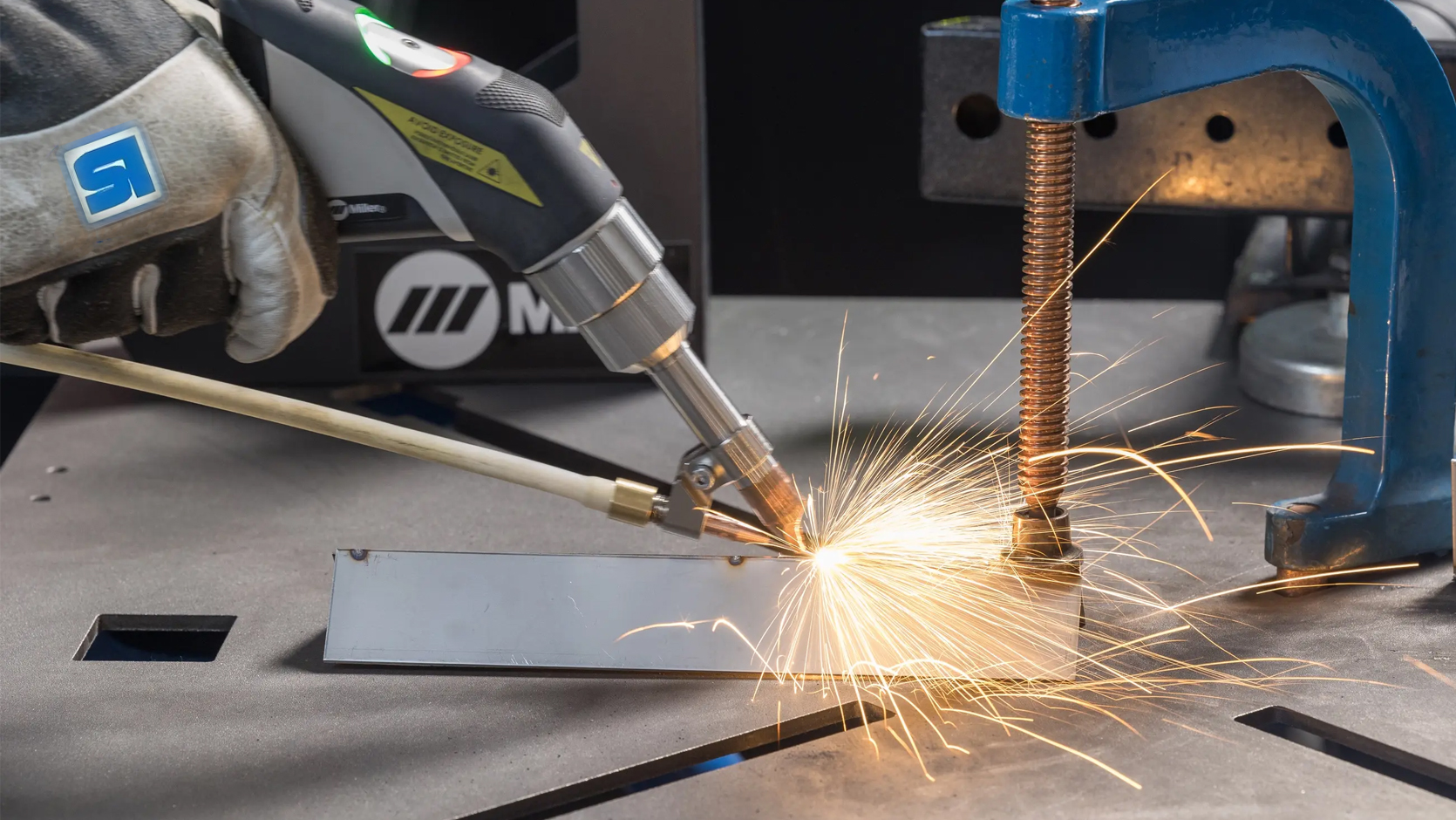

Fiber laser cutting machines in automated production lines turn one fast cutter into a continuous, low-labor workflow. Instead of waiting for an operator to load every sheet and sort every part, the line moves raw material in, cuts it, and sends finished parts out on its own. This guide explains how these lines work, which components matter, and how to plan one that fits your shop.
An automated fiber laser cutting line combines a fiber laser cutter with loading and unloading equipment, material storage, part sorting, and control software. The line keeps the laser cutting for more hours per shift, reduces manual handling, and delivers more consistent output.
What Is an Automated Fiber Laser Cutting Line?
An automated fiber laser cutting line is a connected system that handles the whole cutting cycle with minimal human input. The fiber laser cutting machine sits at the center. Around it, automation modules feed sheets, remove cut parts, and pass data back to the control system.
A standalone machine cuts fast, but it still stops while operators swap sheets and unload parts. An automated line removes those pauses. As a result, the laser spends more of its working time cutting and less time waiting.
Core Components of an Automated Line
Each module solves one bottleneck. The table below shows what each part does and why it matters.
| Component | What It Does | Why It Matters |
|---|---|---|
| Fiber laser cutting machine | Cuts sheet metal with a high-power fiber laser | Sets the speed and quality of the whole line |
| Automatic loading and unloading system | Moves sheets onto the table and finished parts off it | Cuts idle time between jobs |
| Tower storage system | Stores raw sheets and finished stacks in racks | Allows long runs with little supervision |
| Exchange table (shuttle) | Swaps a fresh sheet in while the machine cuts the previous one | Keeps the laser running without gaps |
| Sorting and stacking unit | Separates parts by job and stacks them | Speeds up the next process |
| Nesting and control software | Plans cutting layouts and schedules jobs | Saves material and removes programming delays |
| Dust and fume extraction | Removes smoke and particles from the cutting zone | Protects operators and keeps the optics clean |
Automation Levels: Choose the Right Setup
Not every shop needs a full tower system. Match the level of automation to your order volume and floor space.
| Automation Level | Typical Setup | Best For | Main Benefit |
|---|---|---|---|
| Level 1: Manual | Standalone machine, operator loads by hand | Small shops, prototypes | Lowest upfront investment |
| Level 2: Semi-automatic | Exchange table with manual loading | Job shops with mixed orders | Shorter sheet changeover |
| Level 3: Automatic loading and unloading | Loader and unloader linked to the cutter | Medium to high-volume batches | Large labor savings |
| Level 4: Full production line | Tower storage, sorting, and software control | Mass production, multi-shift plants | Near-unmanned operation |
Start with the level that matches today’s workload. Then choose a machine that allows you to add modules later.
Key Benefits of Automated Fiber Laser Cutting
Higher machine utilization. The laser keeps cutting while the line loads the next sheet. Your machine earns more of its value every shift.
Lower labor demand. One operator can supervise the line instead of tending the machine all day. Your team then focuses on programming, inspection, and planning.
Better consistency. Automated handling repeats the same motions every time. This reduces scratches, dropped parts, and mix-ups.
Safer workplace. Operators no longer lift heavy sheets or reach into the cutting area. Fewer manual tasks mean fewer injuries.
Faster delivery. Shorter cycle times help you quote tighter lead times and win more orders.
Lights-out potential. With tower storage and reliable sorting, the line can run through breaks and even unattended shifts.
How Material Flows Through the Line
Understanding the flow helps you spot bottlenecks before you buy.
- Load the program. The software sends the nested cutting plan to the machine.
- Retrieve the sheet. The tower or loader picks the right material and thickness.
- Position the sheet. The exchange table moves the sheet into the cutting zone.
- Cut the parts. The fiber laser follows the programmed paths and adjusts power and gas for the material.
- Unload the parts. The unloader lifts finished parts and the skeleton from the table.
- Sort and stack. The line separates parts by order and places them on pallets or carts.
- Move to the next process. Operators or robots take the parts to bending, welding, or finishing.
Software: The Brain of the Line
Automation works only when software coordinates every step. Good nesting software packs parts tightly, which reduces scrap. Scheduling tools group jobs by material and thickness, which cuts the number of sheet changes. When you connect the line to your MES or ERP system, you also gain live data on output, downtime, and material use.
Choose software that your team can learn quickly. A powerful system that nobody uses adds no value.
Connect Cutting to Bending and Downstream Work
Cut parts rarely leave the shop as they are. Most go straight to a press brake. Therefore, plan the flow from the laser to the bending station early. If the line sorts parts by job and stacks them in bending order, your operators save time at the press brake.
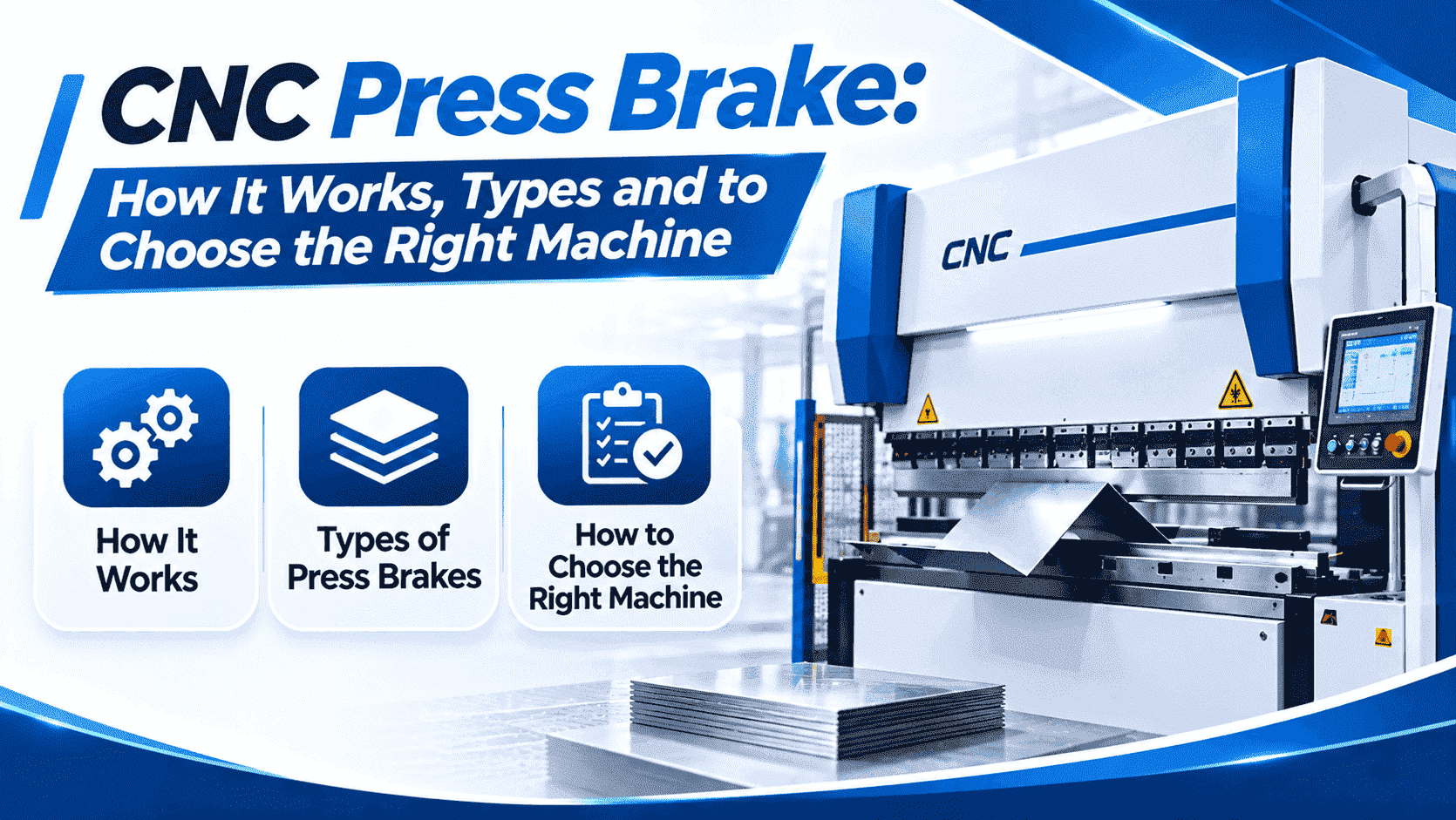
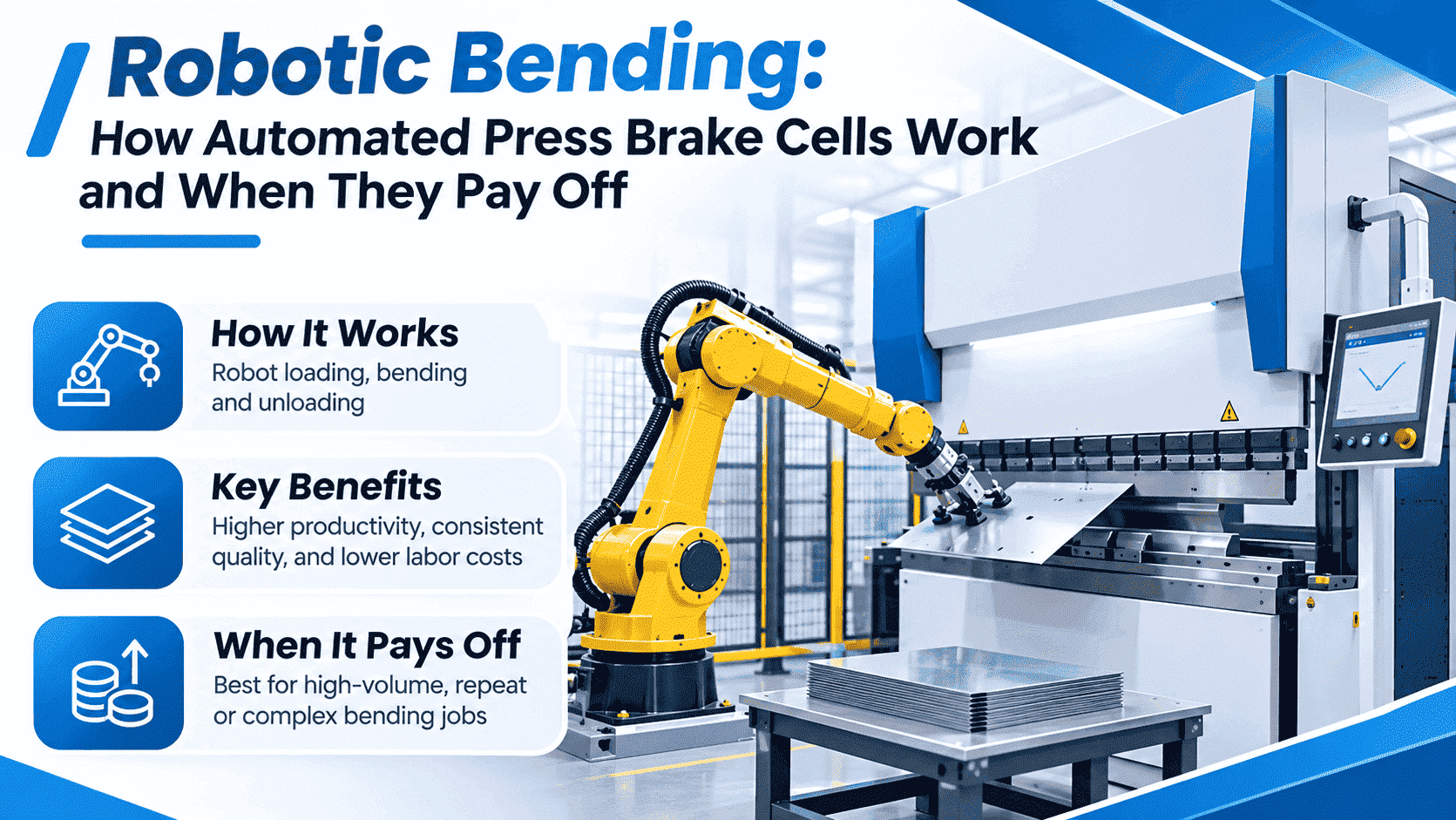
Many shops pair an automated laser line with a CNC press brake or a robotic bending cell. A DELEM CNC system on the brake helps you program bends from the same part data, which keeps the whole sheet metal process synchronized. You can also browse our full range of bending machines to match the brake to your laser output.
How to Plan Your Automated Cutting Line
Use this checklist before you request a quote.
| Planning Factor | Question to Ask | Why It Matters |
|---|---|---|
| Material range | Which metals and thicknesses will you cut most? | Determines laser power and loader capacity |
| Sheet size | What is your standard sheet format? | Defines table size and handling equipment |
| Daily volume | How many sheets or parts do you process per shift? | Decides the right automation level |
| Floor space | How much room do you have, including storage and aisles? | Limits tower and sorting options |
| Downstream process | Where do cut parts go next? | Shapes the sorting and output design |
| Operator skill | How experienced is your team? | Affects software and training needs |
| Future growth | Will volume or materials change in two years? | Favors modular, expandable systems |
Common Mistakes to Avoid
- Buying too much automation too soon. A full tower line wastes money in a low-volume shop.
- Ignoring part sorting. Fast cutting means little if operators spend hours sorting parts by hand.
- Skipping power and gas planning. Check your electrical supply, assist gas, and chiller capacity first.
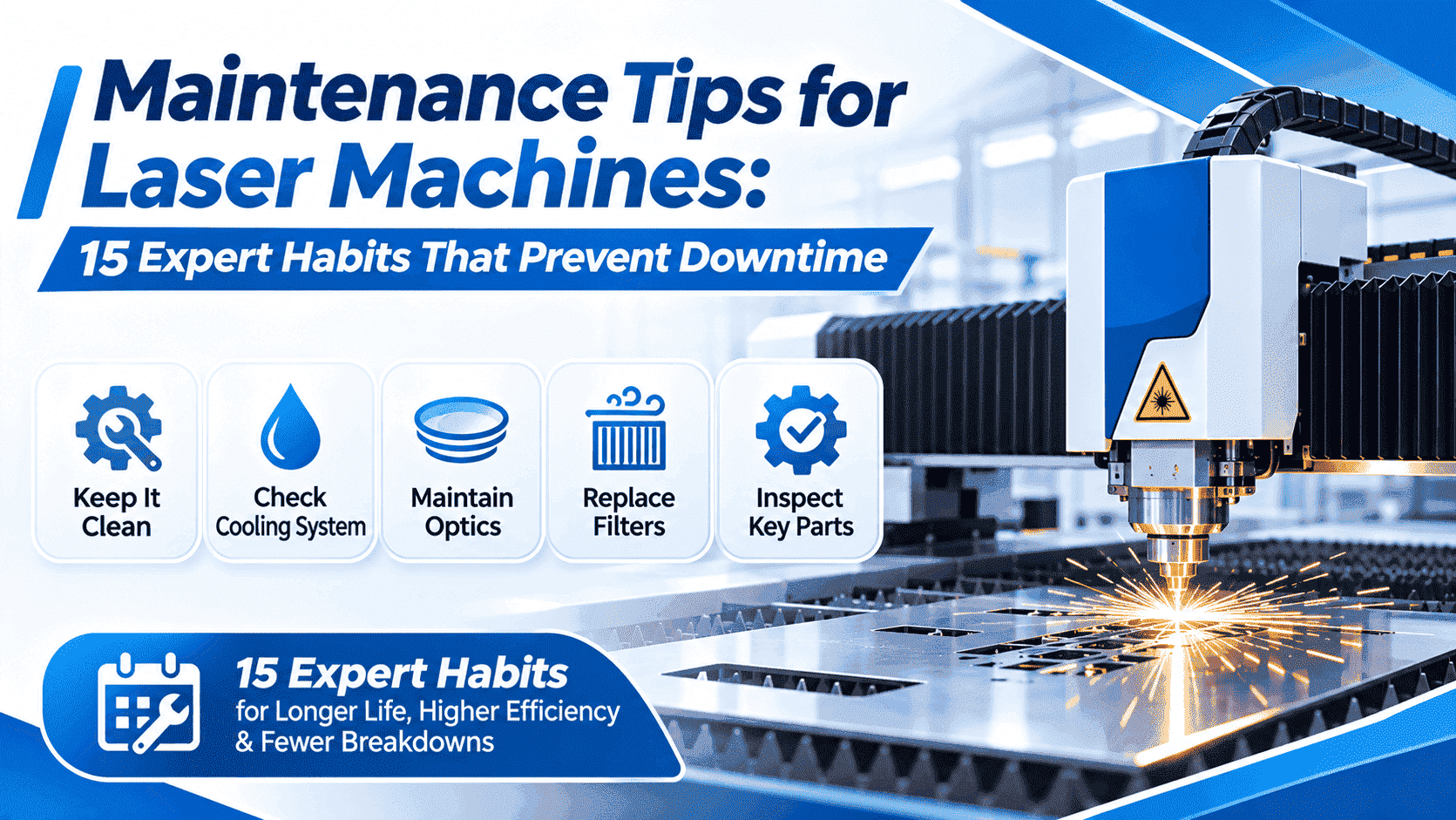
- Neglecting maintenance. Automated lines need a regular service plan. See our maintenance tips for laser machines for routines that protect uptime.
- Choosing a supplier without local support. Fast training and spare parts keep your line productive.
Is an Automated Line Worth the Investment?
Compare the cost of automation with the labor, scrap, and idle time it removes. Track four numbers: machine utilization, labor hours per part, scrap rate, and delivery time. When these improve, the line pays back through higher output and lower unit cost.
To model your numbers, start with our breakdown of fiber laser cutting cost per hour. Then add the savings from reduced handling and longer run times.
Why Choose Xinli for Automated Laser Cutting Solutions
Xinli Machinery has built sheet metal equipment since 1958. Our fiber laser cutting machine is available with customizable work areas, and our wider laser cutting machines range sits alongside press brakes and shearing machines. Because we make the whole sheet metal chain, we can plan cutting, bending, and handling as one workflow.
Our engineers help you select the right power, table size, and automation level. Browse our factory cases to see how other plants use our equipment, then contact us with your materials and volume. If you also need joining, our handheld laser welding machine and our guide to the fiber laser welding machine cover the next step.
Frequently Asked Questions
What is a fiber laser cutting machine automated production line?
A fiber laser cutting machine automated production line is a connected system that includes a fiber laser cutter, automatic loading and unloading, material storage, part sorting, and control software. It cuts sheet metal with little manual handling.
How does automation improve fiber laser cutting efficiency?
Automation removes the idle time between sheets. The loader brings in new material while the laser cuts, and the unloader removes finished parts. This increases the hours the laser spends cutting each day.
Which industries use automated fiber laser cutting lines?
Automotive, electrical cabinets, elevators, agricultural machinery, kitchen equipment, and general sheet metal fabrication use these lines. Any plant with repeat, high-volume cutting benefits most.
What is the difference between semi-automatic and fully automatic laser cutting?
A semi-automatic setup uses an exchange table, but operators still load and unload by hand. A fully automatic line adds loaders, unloaders, tower storage, and sorting, so operators mainly supervise.
Can a small workshop use an automated fiber laser cutting system?
Yes. A small shop can start with an exchange table or a simple loader and add modules as orders grow. Choose a modular machine to avoid replacing equipment later.
Does an automated line reduce material waste?
Yes. Nesting software places parts tightly on each sheet, and consistent handling lowers damage. Both factors reduce scrap.
How do I connect laser cutting to press brake bending?
Sort cut parts by job and bending order, then move them on pallets or carts, or by robot, to the press brake. Share part data between the nesting and bending software to save programming time.
How long does it take to install an automated laser cutting line?
Installation time depends on the line size and site preparation. A simple loader setup takes less time than a full tower system. Ask your supplier for a written schedule that covers installation, commissioning, and training.
Conclusion
Fiber laser cutting machines in automated production lines help manufacturers cut more parts with fewer hands, less waste, and shorter lead times. Match the automation level to your volume, plan the flow to your bending station, and invest in good software and service support.
Ready to plan your line? Contact Xinli Machinery to discuss your materials, volume, and layout, and receive a tailored automated laser cutting solution.